
Customer

Discussion Replies Created
What naming conventions must the functions inside my custom DB Package follow for the triggers to work correctly?
Where specifically should the `xxen_event` function call be placed?
If I want to review the complete structure of the value sets and their validation logic before making changes, where should I look?
So for administrative purposes, Blitz Report is the guaranteed way to get the full raw data set out of ECC, regardless of which module (like Quality) we are reporting on?
If the report identifies misclassified accounts, are there any known implications or considerations before we attempt to correct them?
After relinking, is a full application tier bounce necessary?
If we manage to extend the dashboard with additional data or create new charts, can Blitz Report still export the underlying data from these ECC charts and metrics?
How do we repair the corrupted `fndcpesr` file?
We also have custom charts built in an OAF page using data from our Quality tables. Can we replicate or integrate this chart data into the ECC dashboard environment?
I understand the output is Excel. Is there any way to output this complex data into a format suitable for Tableau or Power BI?
Can we include this Asset Tracking report within our project toolkit for system upgrades and validation?
If I copy this report to create a new version, is the advanced required parameter logic preserved?
Since this involves complex technical data, we need assurance that the development and version history of the SQL are rigorously tracked.
If the expression fails validation, can I provide a custom error message instead of the default one?
If I need the same financial analysis but structured by Work Breakdown Structure instead of resources, which report applies?
If we create a highly specific report just for Asset Tracking Pending Transactions, how quickly can it be distributed and utilized by the operational team?
Thanks, Eric! This new XML report has resolved our issues. I have implemented this version in our Production environment. You can close my ticket.
I appreciate your help.
Michelle
The standard Oracle reports often lack data points visible in the Project Status Inquiry form. Has this Blitz Report been extended to include those?
When referencing parameters with spaces in their names within the logical expression, what is the exact naming convention I must follow?
Thanks! This is what I was looking for. I thought I could just download and import the XML for the report. Perfect.
I did this in test. When I go into the report I get this error:
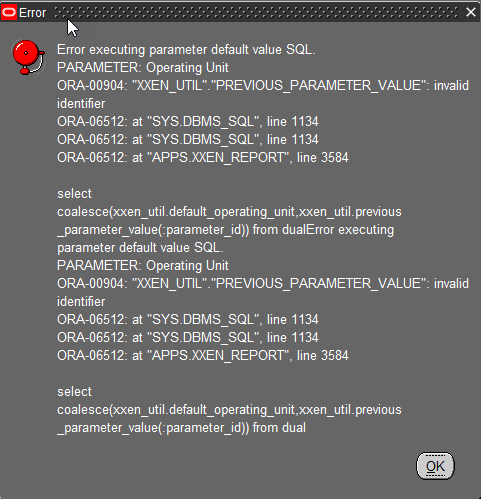
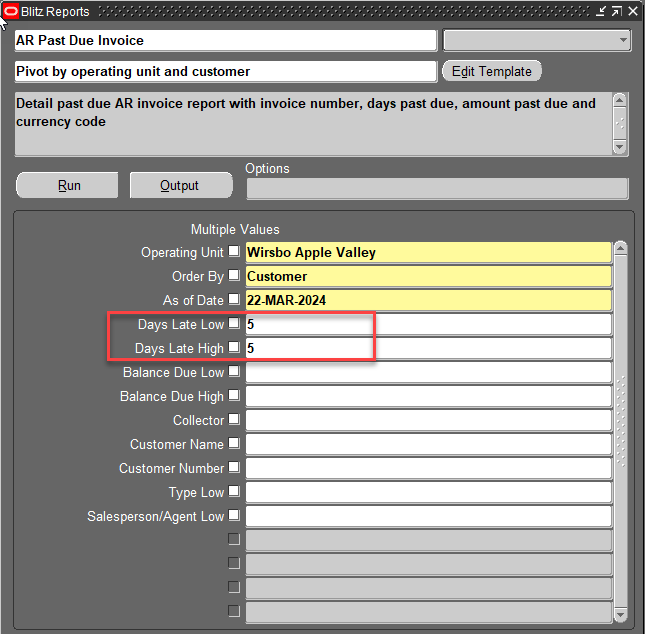
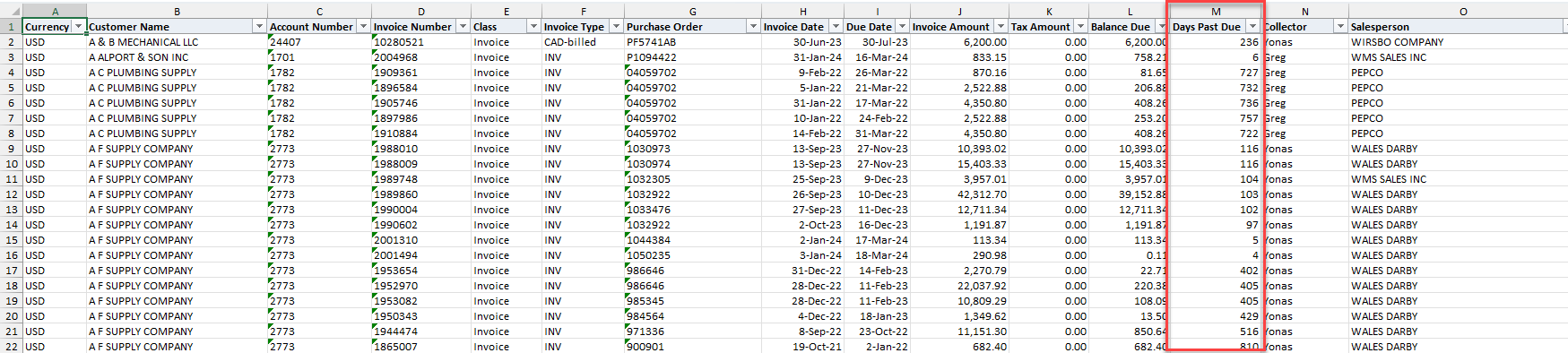
But after I clicked OK, I was able to run the report. Report works for the as of date. Yay! Report still does not work when entering a days late range. If I enter a 5 here, I would expect to pull just those with a Days Past Due = 5 but I still get everything based on the date only.
How do I control whether the report aggregates data at the project level or breaks it down by task?
Can they modify shared LOVs or column translations?
The report documentation mentions the output can be analyzed by Ledger, Operating Unit, Organization, Subinventory, Item Category, and Cost Group. How is this flexibility achieved?
If a Developer logs in, which reports are visible in the Setup window?
We sometimes need to include non-costed items in our reports. Are there any restrictions when running this report historically?
Does this give them permission to create and modify all types of reports?
Does this Blitz Report replace specific standard Oracle reports?
If our DBA team needs to diagnose concurrent request performance during the post-upgrade smoke test, what tool should they use?
Does implementing VPD policies secure data access through direct database queries?
Can the description part in parentheses be globally suppressed if needed?
What is the default access level for VPD protected data?
After the upgrade, we need to conduct a financial integrity check, specifically looking at GL balances and Cost Accounting figures.
What value should be set for the user who needs full access?
We need to ensure that the ECC data exports, which may contain sensitive transactional data, are secure.
Does this report rely on organization hierarchies set up for period control?
If I simply export a report normally (`p_type`=’Reports’), does that XML include the SQL history?
If the upgrade introduces new ECC dashboards, we will need to quickly create operational reports based on the underlying logic for non-ECC users.
Why is ensuring the periods are summarized so important for efficient reporting?
What is the fastest way to confirm that all technical prerequisites (e.g., specific ECC patches or underlying EBS patches) are correctly applied before starting the V7 upgrade application cycle?
Does this relate to the concept of restricting reports by operating unit assignment?
What is the default security behavior for inventory reports?
If cache clearing does not resolve the execution error, what is the next step?
What about using Oracle’s native Virtual Private Database (VPD) if we need to secure sensitive payroll columns?
If I use the third output file location, can I also customize its name?
How do I ensure data security if my report uses ‘all’ tables like `ap_invoices_all` instead of the VPD-secured synonyms?
If I define a custom file name using tokens in the ‘Output Filename’ option, which of these files does that apply to?
Can I also define a custom shell script to run on the application server immediately after the report finishes, for distribution purposes?
This seems to shift the reporting execution from the SQL client directly into the EBS Forms environment. Is that correct?
If a user sets a time limit in the run window, does this global profile override it?
Can you list the three types?
If someone updates the ‘official’ query for the tablespace check, how does the team guarantee we know *what* changed and *when*?
Besides pre-processing, what else can the triggers be used for?
What happens if this profile is left blank?
Let’s take a specific example: monitoring tablespace size. Different DBAs currently use different, potentially obsolete, queries that might not account for autoextension. How would I enforce a new, ‘official’ query?
Is there an equivalent report for analyzing the costs of CIP (Construction in Process) assets?
If I need a more customized view that summarizes costs by Department or Operation, can this report handle that?
The output includes amounts in both transaction currency and ledger currency. Is this standard across both the GL Account Analysis reports?
This report sounds useful for debugging subledger links. If I want to look up documentation explaining which source IDs are populated for different subledger tables, is there a report to assist developers with that structure?
If I copy an existing report to create a new version, are the original assignments and categories copied to the new report?
If I need guidance on resizing the SGA, is there a report that provides estimates of the impact?
Is the statement that this reporting ‘won’t break the bank’ a reference to licensing or performance overhead?
We have hundreds of responsibilities and reports. Is there an efficient way to manage or review all existing assignments, rather than configuring them one report at a time?
If we load the default assignments during an upgrade, but need to temporarily hide certain Enginatics reports during a phased rollout, how is this done?
Beyond simple pivot tables, can the output data be used for advanced visualization methods, such as mapping?
We use Linux; does this report also help check if HugePages are configured correctly?
We require the ability to pull large volumes for our quarterly analysis. Will this tool constrain the size of data we can extract for pivoting?
What is the general performance tuning recommendation regarding SGA and PGA sizing for maximum performance?
Since we rely heavily on financial reporting, how can we quickly validate the post-upgrade financial data integrity?
We need an additional layer of security: if a report is assigned to an Application (e.g., Receivables), we also want to ensure the user can only access it if they have access to the assigned Operating Unit. How is this secondary restriction enforced?
After patching, we usually run checks for patch conflicts. If we are applying the 12.2.12 Release Update Pack (RUP), can we skip the manual patch conflict determination steps?
What is the required workaround to restore access to those custom tops?
We need to ensure that our database patching, which is 19c, uses the correct OPatch version during the upgrade. Can you confirm the proper OPatch version for 19c databases in a recent context?
We are simultaneously deploying the Oracle Enterprise Command Center Framework Release v11. What technical details should we confirm regarding the database connection configuration for ECC V11?
 Customer · · in How to create a Delivery in Full On Time metric in Oracle E-Business Suite using Blitz Report™
We often have manual adjustments to promise dates. Is there a way to track that change history to ensure data integrity for the DIFOT calculation?
Customer · · in How to create a Delivery in Full On Time metric in Oracle E-Business Suite using Blitz Report™ Once the report is copied, what are the next technical steps required to calculate the metric accurately?
If I leave the segment parameter blank, what does the function assume?
What about related warnings in SECTION-26 or SECTION-37?
Then I rerun the installer, and re-enable it?
If my Oracle system stores account ’10’ as a four-character segment field, what must I enter into the parameter field?
Will this absence of editioning views cause issues with online patching?
What is the safest way to proceed with the installation without losing the trigger if it’s still needed?
What happens if I set the output format to TSV instead?
What is the default delimiter if this profile option is not set?
Where do I define the custom message content?
If we also suspect Operating Unit Security is slowing down reports, is there a similar profile?
What is the name of the default message used for the email body?
Where can I review the current profile option values across different levels (site, application, user) before making this change?
How should this profile option be configured to achieve the performance benefit?
Besides the BLOB, what other essential information does `run_report` return?
How many different output files are actually generated by Blitz Report during a single run?
What capabilities does scheduling unlock for output?
What initialization is needed before calling this procedure?
If I schedule a nightly incremental report that needs to overwrite the same file daily, how can I configure the filename template to support this refresh pattern?
How do I ensure this trigger is correctly set up?
If I submit a new ‘Blitz Report’ concurrent request manually, how do I ensure the parameters are correct?
If I save copies to an additional directory, is the naming convention for those copies the same as the file downloaded to the desktop?
So, the core technical setup must be completed at the database layer using Oracle’s native tools first?
What are the steps to copy and schedule it?
I assume the default for both is ‘Yes’?
Besides the downloaded file, we need to save a copy of the output to a network directory mounted on the database server every time the report runs. Where do I define this location?
And for the Excel file itself?
Customer · · in Oracle Enterprise Command Center administration and enriched dashboard data export to Excel I understand standard ECC limits exports (e.g., 1000 records). Can Blitz Report handle larger volumes of ECC data extraction?
The overall SQL statement for this report is quite large. If it exceeds 32767 characters, can I still use the standard Forms interface for creation?
If the automatically generated column headers are too long for Excel, can I manually shorten them in the report definition?
If I also need to include a fixed set of standard columns in the SELECT list, how should I format the SQL surrounding the anchor?
If I am a developer and want to quickly check if a report is accessible under a certain responsibility, where do I check the restricted list?
What parameters does the `xxen_util.dff_columns` function require to correctly generate the column list?
How do I define which parameters are excluded?
And how is this time limit enforced?
That streamlines the experience. Does hiding the parameter also reset any default value it might have?
What is the unit of measure for this time limit?
If a concurrent program uses complex Oracle standard value sets, will those be converted into Blitz Report LOVs?
What is the full order of precedence, descending from the highest priority?
What is the default setting for this profile?
Does this setting affect successfully completed reports?
Is mod_plsql configuration complex?
If I leave the profile blank, what is the retention policy?
What functionality requires this connection?
Finally, we need to extract massive volumes of configuration data (BR100s) during our upcoming upgrade. Can Blitz Report help streamline this requirement?
If I create a new diagnostic query, how does Blitz Report ensure that this valuable asset isn’t duplicated or lost within the team?
We often need to verify if specific patches have been applied correctly after an ADOP cycle in 12.2. Is there a simple way to report on patch status using Blitz Report?
If RWB reports rely on views that reference RWB objects starting with XXRX%, will the view expansion parameter affect them?
The AP Invoices and Lines report has a parameter ‘Invoice on Hold’. If left null, does it include invoices on hold?
Can we also monitor the database connections themselves for potential security risks, such as suspicious logins?
We rely heavily on AWR reports for performance analysis, especially since upgrading to a multitenant database architecture. Can Blitz Report handle AWR data collection efficiently within this new architecture?
If we still maintain an 11i environment, is there a corresponding version of this report?
What is the difference between JED and JEDP?
We need a mechanism to integrate these various diagnostic and maintenance SQLs used by the DBA team into one place.
Customer · · in Discover the secret of perfectly formatted Oracle EBS Excel report creation in under 10 minutes What about quality control and management? If development is that rapid, how do we track changes and ensure stability?
What is the recommended date format to ensure compatibility?
If my regional settings use hyphens for dates (e.g., 01-01-2007), will that cause issues?
We are planning a Linux OS upgrade (OL7 to OL8). Does this cache clearing step need special attention during that migration?
If poor performance persists, potentially related to concurrent requests stalling, how can we monitor the environment proactively?
If we run a cache clear, how can we quickly verify the impact on database health and performance metrics afterward?
We need assurance that the development process itself is tracked and audited.
If the BI Publisher report uses multiple data sets or complex parameter logic, how does Blitz Report handle retaining that input functionality?
Finally, since this involves custom SQL linking to external systems, can we ensure the output data is easily consumable by business users?
Does converting a BI Publisher report also automatically enable us to utilize the Blitz Report features like integration into EBS forms via Zoom?
If I am auditing the cost type structure used in these organizations, where can I find a count of item costs defined per cost type?
We are specifically running EBS 12.2. Is this cross-database reporting approach compatible with our version?
What is the main output benefit compared to the original BI Publisher output, assuming the underlying logic is the same?
Once the database link is created, how complex is the SQL needed within Blitz Report to pull consolidated EBS and Vertica data?
If I need to cross-reference these organizations with the default category sets they use for functional areas like Purchasing or Costing, which report should I use?
Can we filter the reports based on operational aspects like specific nodes or concurrent managers involved in the planning run?
Can you provide an example of a complex BI Publisher report this process works well for, especially one relying on an XML Data Template?
What Oracle components are required to establish the Database Link connectivity layer for a non-Oracle source like Vertica?
We need non-developers to be able to access and run these ASCP reports easily, without needing deep SQL knowledge.
If we want to build a new planning report using SQL, is the report development process streamlined?
We also need reports related to ASCP pegging and key performance indicators (KPIs). Does Blitz Report cover these specific Advanced Supply Chain Planning functions?
What is the primary technical advantage when exporting these custom exceptions compared to the default ASCP methods?
Are there plans to support other legacy Oracle reporting tool imports?
What are the benefits of combining these migration streams into one toolkit, from a management perspective?
If I need to enforce security so only my team sees this new report output, how do I manage that?
What is the recommended size limit for uploading Excel template files to avoid performance warnings?
We need to ensure that when importing Discoverer reports, the administrative setup for parameters and security definitions are also carried over or easily configured.
If I try to export massive volumes of journal lines, will I encounter the row limitation issue seen in some standard EBS exports?
We need to allow certain users (Supervisors) to create templates for their teams, but prevent them from modifying templates created by IT (the Developer role). How do we configure template permissions?
Can I use this for specialized financial reports, like cost accounting or general ledger balances?
If we import the SQL from an ECC dashboard dedicated to the General Ledger (R2R), how fast is the deployment, and is the output guaranteed to be accurate?
My source SQL query sometimes returns duplicate rows due to complex joins. Can the template automatically filter these out without changing the underlying SQL?
How does Blitz Report ensure the output is suitable for financial analysis, particularly for use in pivot tables?
I need to set up a pivot table output. What are the four main sections I need to define in the template layout to create the pivot structure, and what data goes into each?
If I can write a basic SQL query, what is the next step in converting it into a published report in EBS using Blitz Report?
What is the final step to generate the report output?
If this profile is set to ‘No’, what reports are displayed?
What is the default setting for standard users?
How is the Ledger automatically determined when I run the default report?
If I need a complete listing of all EBS users and their active responsibilities, where should I look?
If I enter the SQL and later change the report name or description, will that create a new version history record?
When we run the GL Balance by Account Hierarchy report, are these rollup groups directly related to the hierarchy levels displayed?
My SQL query must start with ‘select’ or ‘with’. Is there a character limit if I enter the SQL directly through the form?
Does the multi-value feature work if I use a simple `:bind` anchor instead of `n=n` or `&lexical` anchors?
Once I have the correct access, what are the high-level steps I must follow to get a report running for my users?
If I need to filter a date range, using `>= :start_date`, and the user needs to select multiple date ranges, will the multi-value feature support this comparison operator?
After updating the parameter in the database, does the OPP need to be bounced?
What is the required format for the parameter SQL text to ensure the automated IN-clause replacement is enabled?
Since this is an accounting report, is the ‘Period Name’ parameter mandatory?
Which OPP parameter needs modification?
If we activate VPD security, is there a way to deactivate ledger security for reports where only inventory org security is required?
If we decide to use VPD, what is the prerequisite setup needed specifically within Blitz Report, besides configuring the Oracle database policy?
If I need granular details like the Event Class, Transaction Type, and Transaction Date, are there parameters to enable this?
Can I choose to include or exclude laboratory batches from this valuation analysis?
We also have highly sensitive HR data (payroll). If we use VPD directly in Oracle to restrict access to the underlying tables, will that protection apply when users run reports via Blitz Report?
And these hidden parameters typically populate which type of anchor?
What is the main benefit of securing data through a required LOV parameter instead of using the standard secured views?
What file formats does the system output for these new reports, specifically for high-volume extracts?
What is a common example of where a hidden parameter is required?
We need rapid turnaround on delivering a new report based on ECC dashboard logic. How fast can this development cycle be?
Does this capability extend to reports originating from other systems, such as migrated Discoverer reports?
If we modify a report, what specific details are retained in the audit history?
Are there other settings that affect how the LOV behaves when retrieving values?
If the expression fails at runtime, where is the default error message defined?
How does this process differ technically from deploying a standard custom concurrent program based on a SQL file?
Where is that validation rule controlled, in case I need to check?
What is the correct logical expression syntax for ‘either/or’ logic, assuming those parameter names?
Is the ‘Resource/Overhead Cost Type’ parameter mandatory?
Do all parameters require me to select a value from the LOV, or can I sometimes type in a value and use wildcards?
If a resource doesn’t have a defined cost, how does the report indicate that?
Since we clone environments frequently, how do I ensure this fix persists and doesn’t get overwritten in future copies?
Which line needs fixing in `frmcmp_batch.sh`?
Oracle E-Business Suite reporting straight into Excel: 2,900+ ready-made reports, your own SQL, 150+ Excel uploads.